
The Method to Spot Genuine Righteous Clothing, A Purchaser’s Rundown
In 2026, shopping for streetwear means wading through a saturated field of imitators, resellers, and outright counterfeits. We Are Righteous has built a name on considered design and honest construction, which as it happens makes it a target for imitation. The following rundown walks you through the real-world details that distinguish a genuine Righteous piece from a knockoff, so you can shop assured you’re getting the real thing whether you’re buying your first hoodie or building out a full wardrobe of righteous apparel.
Safeguarding your cash and receiving the product you truly paid for — that’s what this is about, not brand snobbery. A bootleg item rarely holds its silhouette, colour, or seams past several washes, nor does it carry the same weight — literally or figuratively — as something made under proper quality control. Below, we lay out what to check before you buy and what to inspect when it’s delivered.
Head Straight to the Origin
If you want real assurance you receive real righteous clothing, the single most reliable way is buying directly from We Are Righteous or from a retailer that carries the brand’s official approval. Third-party marketplaces are the riskiest route, not because every seller is dishonest, but because confirming authenticity becomes tougher once a product has been resold repeatedly. Should a listing show no clear vendor details, no returns process, and a price that seems unrealistically cheap against the brand’s standard price bracket, view it with suspicion rather than a good deal.
If you’re shopping for pre-owned items, review the seller’s history. we are righteous Fake-goods sellers often show a common pattern: a seller with dozens of listings covering unrelated brands, vague photos, and stock images rather than real product shots. Authentic-goods sellers — individuals reselling genuine items among them—will typically provide photos of the actual item, including tags, care labels, and stitching close-ups. Ask for them before committing if those are missing.
It’s also useful to go through a few honest write-ups. A we are righteous assessment from a third-party source — not the brand’s own marketing — often mentions precise particulars like fabric weight, notes on whether it fits true to size, or its post-wash performance that counterfeiters rarely bother replicating. If a righteous review consistently references the same design elements you’re seeing on the item you’re considering, that’s a dependable marker that real stock lines up.
Assess the Piece Firsthand
Once you’re holding the piece, the material itself tells you the majority of what you need to know. Usually, real Righteous hoodies rely on heavyweight cotton fleece, landing in the 350-450 GSM range, varying with the specific style. Material that comes across as distinctly flimsier, insubstantial, or sheer in regular lighting should raise suspicion, especially if it was sold as a premium-weight piece.
Not everyone appreciates how much stitching consistency makes a difference. Turn the piece inside out and scrutinise the seams near the cuffs, hem, and hood lining: genuine batches display consistent seam size, reinforced stress points at the pouch pocket, and zero loose threads inside. Since uneven seams save time and money, fake producers frequently cut corners, whereas even seams require superior machinery and checks.
Check the drawstrings and hardware next. Real items use cord tips and eyelet fittings that align with the rest of the garment’s surface treatment — no mismatched metal tones, no unravelling drawstring ends, no plastic that feels brittle. Any zippers present ought to move smoothly and never catch, and all embroidered branding should rest evenly on the surface without wrinkling.
To finish, examine the scent and texture of the fabric. Authentic cotton fleece has a neutral, slightly earthy scent when new, while inferior fake materials often reek of chemicals from cheap dyes or artificial fillers. This is a small detail, but savvy purchasers use it constantly because it’s tough for knockoff producers to mimic consistently.
Look Closely at Brand Markings
Logo work is where knockoffs typically fail, because reproducing exact proportions and placement takes a level of care they rarely bother with. On authentic righteous clothing, the stitched or printed logo text sits at a uniform scale and placement across a given style run — cross-reference the official product photos with what arrived if you’re unsure.
The boldness and spacing of the lettering are simple giveaways. A knockoff logo often looks slightly compressed, stretched, or has letters that aren’t evenly spaced, because it’s typically recreated by eye rather than from the original vector file. Genuine tags also list uniform fabric details and care directions that correspond to the online listing at time of purchase — if the label says anything far removed from the online description, that’s a red flag worth investigating.
How an order is packaged counts as well. Shipments from We Are Righteous typically arrive with consistent branded elements — plastic mailer bags or boxes, tissue paper or tags matching the current season’s branding, and paperwork that matches what you were sent at checkout. A generic bag lacking any branding or paperwork doesn’t automatically confirm a counterfeit, but combined with other red flags, it adds up.
Compare Before You Buy
Should you be uncertain whether an item is genuine, running through a side-by-side comparison often clarifies things quickly. The table below summarises the key distinctions purchasers often point out between authenticated Righteous garments and counterfeit or misrepresented listings.
| Checkpoint | Genuine Righteous Apparel | Frequent Red Flags on Knockoffs |
|---|---|---|
| Cloth density | Dense, substantial fleece, around 350-450 GSM varying by the style | A flimsy material that feels off from the stated weight |
| Stitch quality | Neat and even seams that are backed up where stress occurs, and free of any stray threads inside | Sloppy stitching, stray threads, and weak seam construction |
| Logo placement | Matching sizing and placement that corresponds to the official product photos | Slightly off-centre, stretched, or inconsistently spaced lettering |
| Packaging | On-brand packaging that comes with a corresponding invoice or order confirmation | Unbranded packaging, no documentation, mismatched order details |
| Vendor track record | A verified retailer or the official We Are Righteous storefront | An unconfirmed marketplace seller using generic or borrowed images |
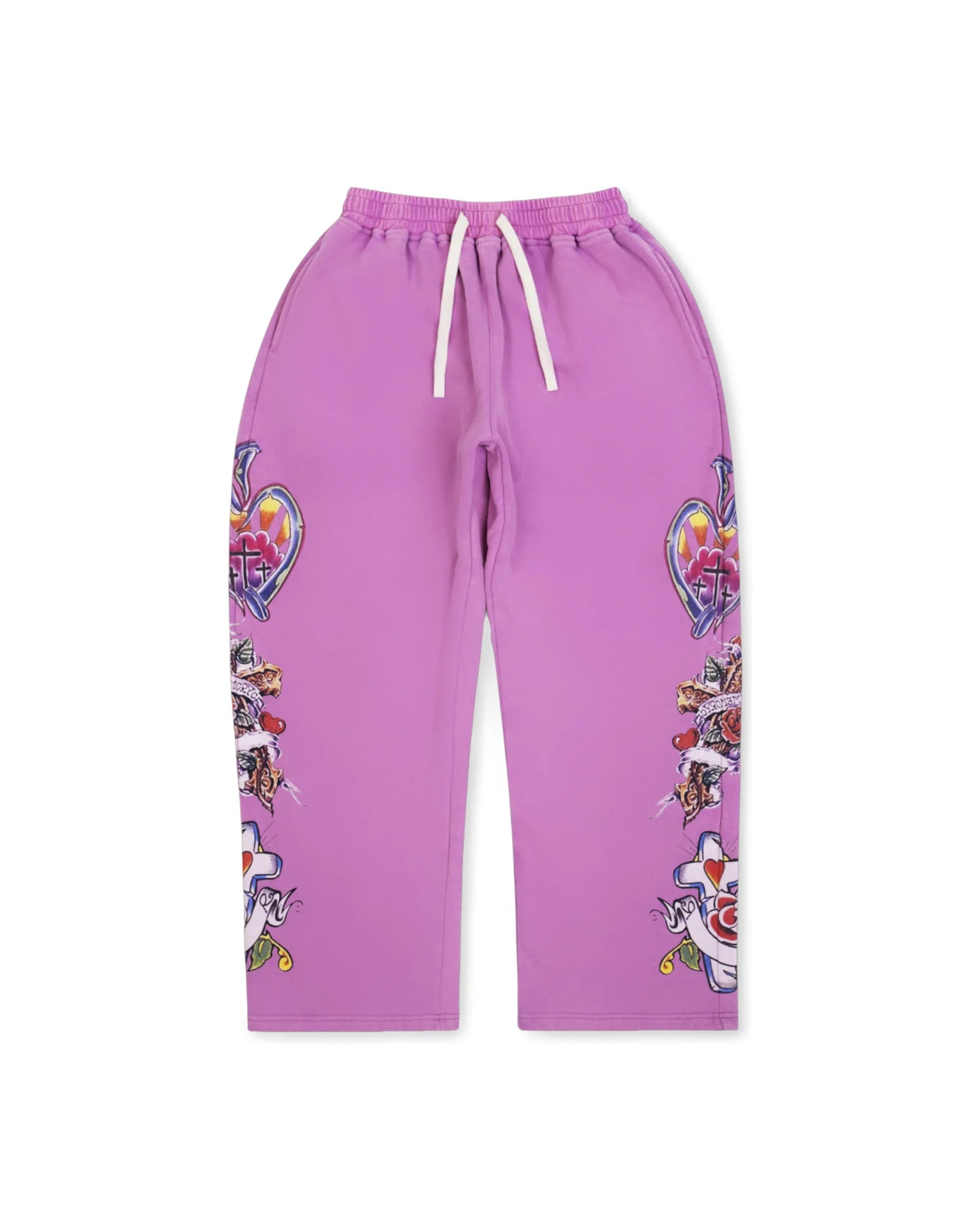
This isn’t meant to be a full list, but it covers the most common checkpoints seen in real we are righteous feedback and shopper conversations. When multiple of these checks fall through together, it’s worth pausing before you check out.
Evaluate Reviews Carefully
Not all reviews are created equal, and this matters enormously when you’re trying to verify a righteous clothing brand purchase. Look for reviews that mention specific, checkable details — exact fit notes, fabric behaviour after washing, or comparisons to previous seasons’ releases — rather than generic praise like “great quality, fast shipping” with no substance behind it.
Because video content shows the piece from multiple angles, under shifting lighting, and often zooms in on tags and stitching, video reviews and unboxings are less easily faked. If you’re relying on a written we are righteous review, cross-reference it against at least one other independent source before trusting it fully, especially if the review is unusually short or oddly enthusiastic without detail.
Pay attention to recurring complaints too. If several reviews raise the identical concern — such as sizing running large, or a specific colourway fading ahead of schedule — it’s legitimate feedback on the genuine product, not evidence of a fake. Telling apart “this is a real quality issue with the brand” from “this is evidence of a fake” is central to critically evaluating reviews.
Final Checks Before You Commit
Ahead of finalising a purchase, run through a short mental list: is the seller verified, does the price align with the brand’s known range, do the photos show real stitching and tag details, and does the listing match what arrives. Individually quick, these checks collectively substantially reduce the risk of winding up with a fake.
Whenever post-purchase doubts crop up, message the seller or the label itself with clear shots of the item, the tags, and the packaging. A trustworthy retailer won’t shy away from a direct question about authenticity; a dodgy or guarded reply tells you something on its own. Being a savvy buyer isn’t hard — it simply means noticing the details that count.